Hello! I'm a UX designer focused on conversions and advocacy. In the past 2 years, I've built for collectives, coalitions, and ministries. Currently, I'm a graphic design student at San Jose State University.
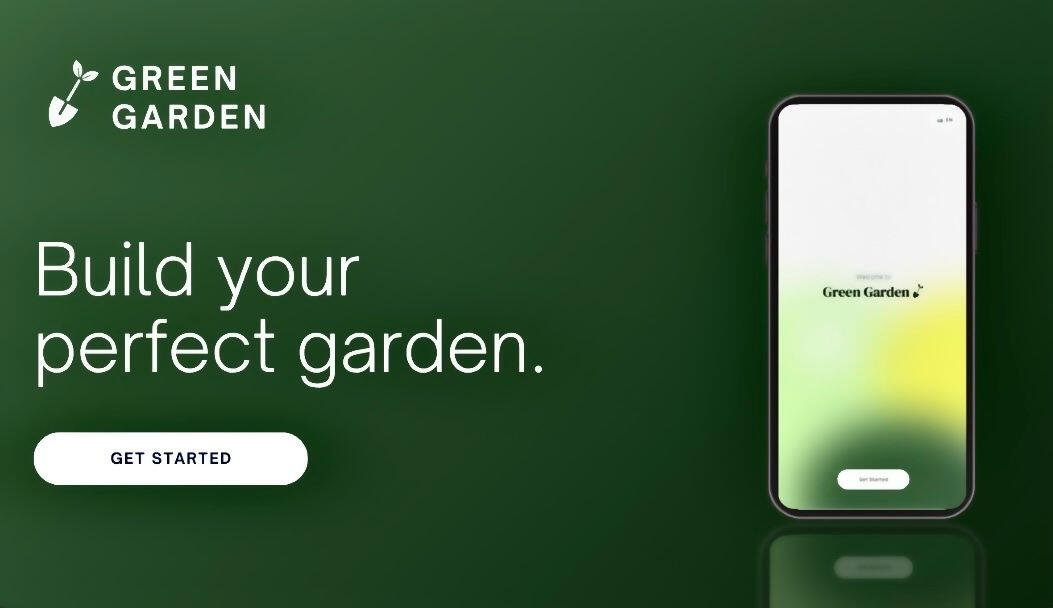
Increasing access to sustainable knowledge for local gardeners by designing a mobile experience.
Hi, I'm Nikole Morales!
My goal is to encourage faith and climate action through design and research. I bring my curiosity and adaptability to every project, finding new ways to improve the design process.I am looking for a summer internship where I can develop product design and communication skills in a work environment that is mission-driven.
Experience
Adobe
Adobe NEXT// Campus Leader | Aug 2026 - Present
SF Spirit
UX/UI and Marketing Designer | Feb 2026 - Present
Alliance for American Leadership
Web Design Intern | May 2026 - Jul 2026
San Jose State University
Research Assistant | Aug 2025 - May 2026
Christians for Impact
Volunteer UX Researcher | Aug 2025 - May 2026

My favorite verse is Micah 6:8. It’s a grounding verse, reminding us that life doesn’t need to be lived grandly, it just needs to be lived with God.
Feel free to send me your favorite verse here!
"Grassy" by Me :)
Made in Chrome Music Lab
"Goose Waltz" by Me :)
Made in Chrome Music Lab
"Excalibur" by Me :)
Made in Chrome Music Lab
"Cawffee" by Me :)
Made in Chrome Music Lab
Increasing access to sustainable knowledge for local gardeners by designing a mobile experience.
Winner of the 2026 HOPAMINE Green Hackathon. On track to officially launch.
Timeframe: June 13 - 14 2026
Role: Product Designer
Industry: Environmental Software
CONTEXT
🤞 HOPAMINE is a solarpunk collective that hosted their 48-hour GREEN HACKATHON for participants to: “Build software that solves a global environmental problem, owned locally.” As my team's UX designer, I created the branding, design system, and mockups. I assisted on designing the product flow and storytelling.
Problem
Despite gardening's popularity, users who want to garden sustainably are frustratingly stuck with mainstream advice that promotes pesticides and neglects their need for regenerative practices.
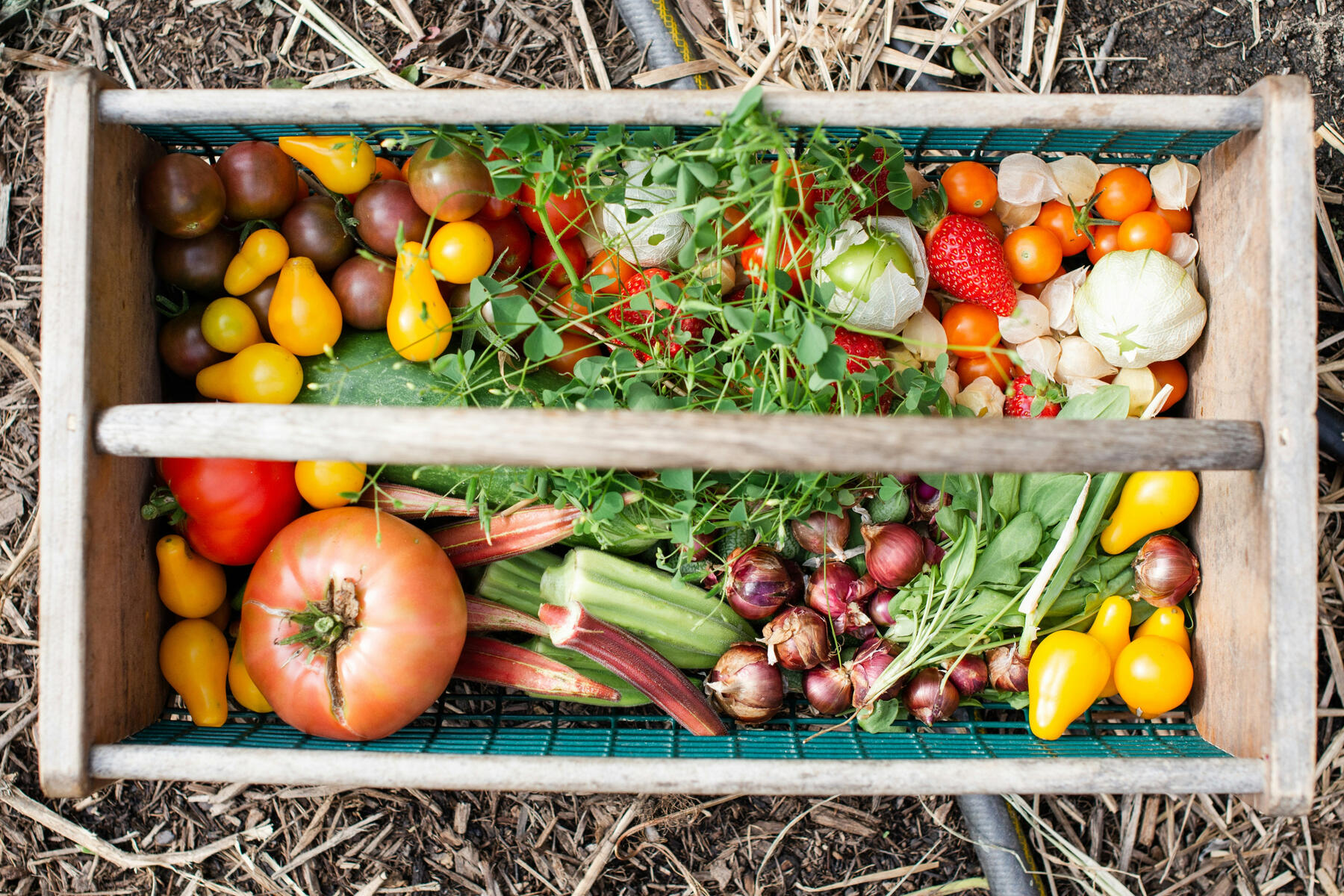
Photo by Zoe Richardson on Unsplash
Solution
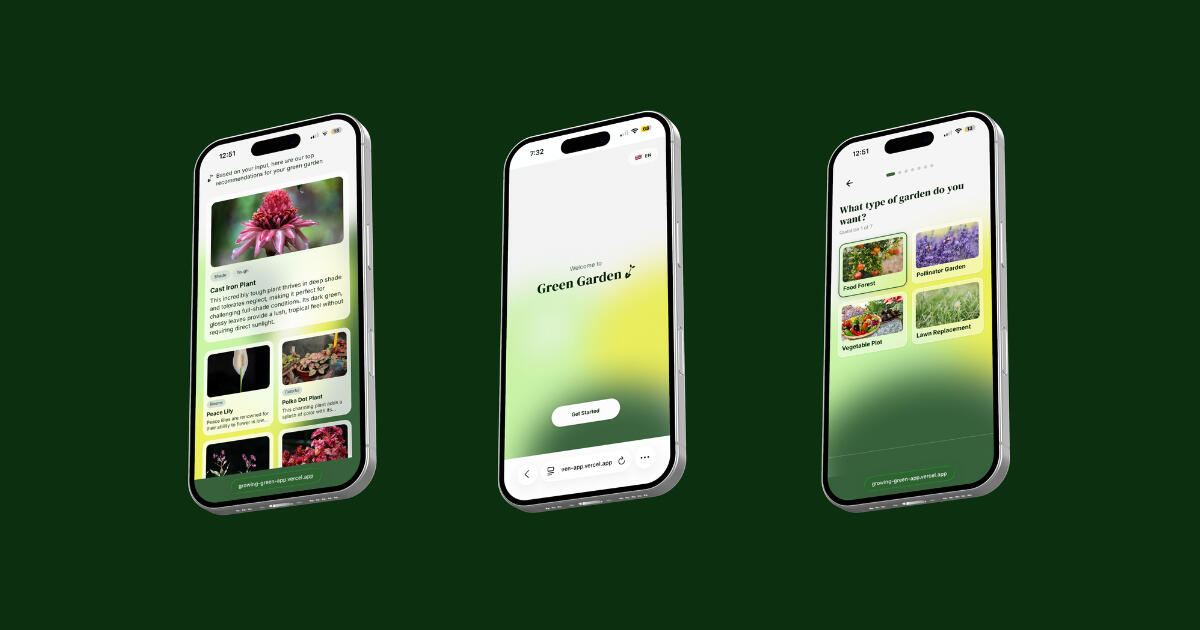
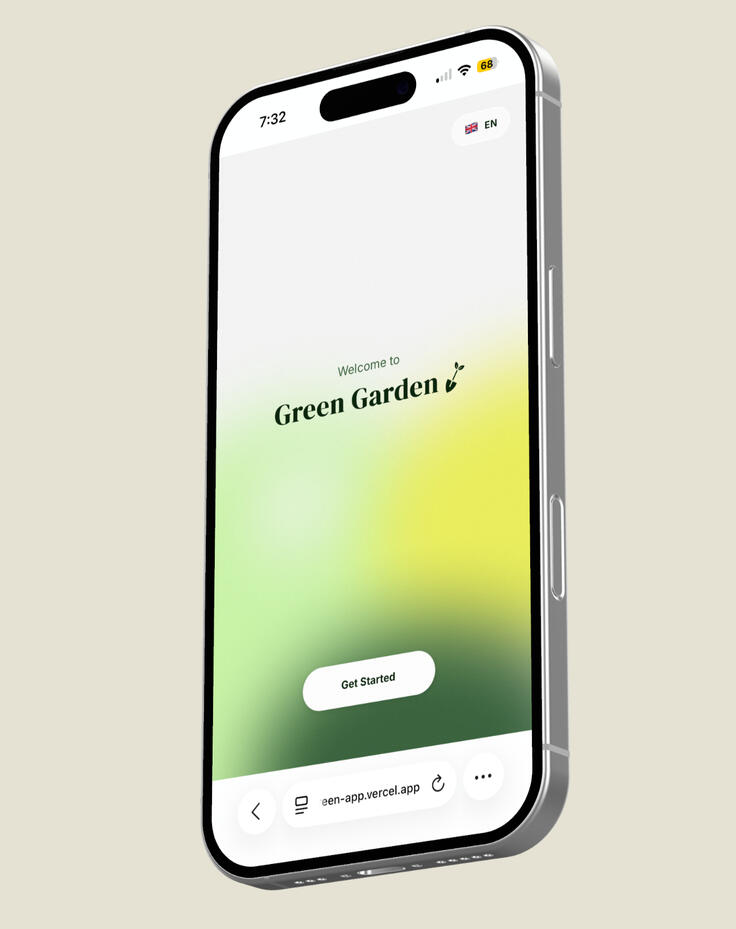
The web-app Green Garden guides users through a short quiz that gives them a clear list of plants and best practices, making regenerative gardening much less confusing and more approachable.
Design
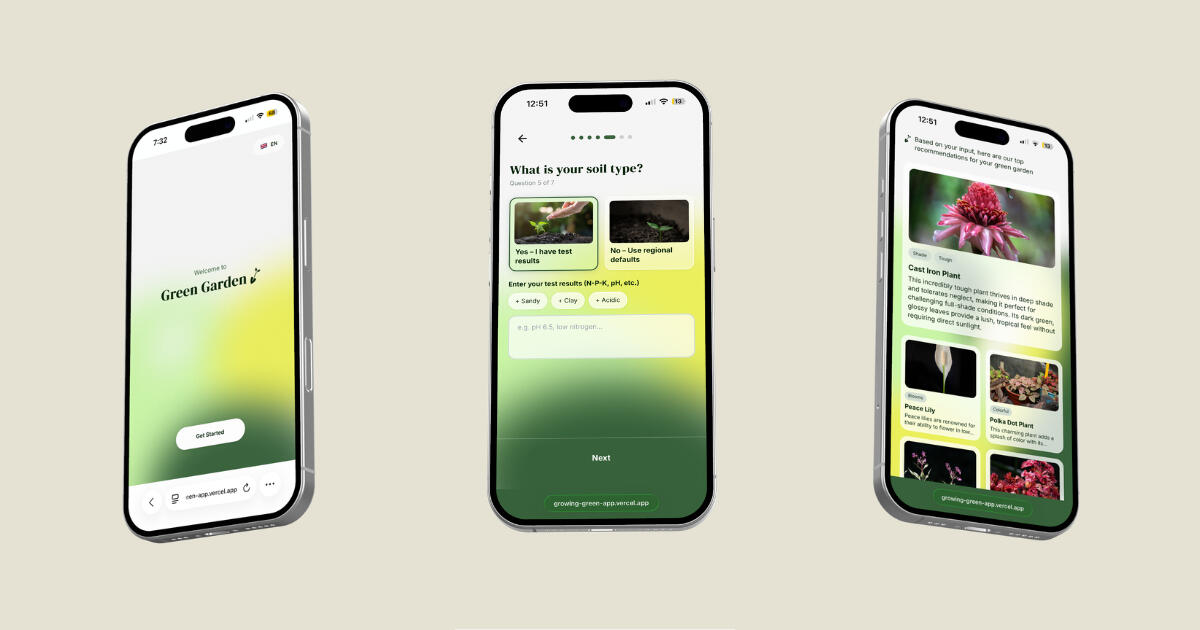
❓ Simple Questions
A highly-visual and easy-to-navigate quiz about the user’s goals and land conditions.


🌱 Tailored Results
A page with a clear format presenting detailed recommendations for plants and best practices. Users quickly learn the exact plants to cultivate and how to do it with fewer cycles of trial-and-error.


🧑🌾 Off-App CTA’s
Cards with the next steps users need to garden safely.


Process Snapshots
Design System


Early Mockups


Challenges & Solutions
💭 We skipped research due to time constraints.
Instead, we relied on the agricultural knowledge of Ian and Isaiah. The team is scaling down the product to focus research efforts on consulting agricultural experts. The open-source nature of the project allows for rapid research and expansion.
🤖 the user's results are ai-generated.
Ian and Oskar will build a database to pull recommendations from without the use of an AI. They'll partner with U.S. Indigenous farmers to gain a de-colonized understanding of American ecology, offering equity and a platform for Indigenous advocacy.
💵 The app has a feature for generating revenue but no partners or active model.
Future features include a database containing affiliate links to local businesses and paid services such as garden mapping consultation.
Impact
Winner of the 2026 HOPAMINE Green Hackathon. The app reduced garden planning to a 3-minute process that introduces indigenous knowledge, native plants, and local small businesses. In collaboration with the HOPAMINE community, Green Garden will be refined, relaunched, and promoted to receive 10k users.